What Are the Top Home Electrical Products to Buy?
Choosing the right home electrical products is no longer only about appearance or purchase price. Energy use, safety, durability, and repairability now matter just as much. The International Energy Agency reports that buildings consume approximately 30% of global final energy. This makes household equipment an important part of practical energy management. A modern refrigerator, LED lighting system, smart thermostat, or efficient power strip can reduce waste at the point of use.
Performance data should guide every purchase. ENERGY STAR states that certified appliances and electronics generally use less energy than standard models, while maintaining comparable performance. The U.S. Department of Energy also identifies heating, cooling, water heating, and refrigeration as major residential energy loads. That evidence supports a clear buying direction: prioritize products that operate frequently, consume substantial power, or improve control over daily routines. Small details matter. Look for an accessible circuit breaker, a realistic wattage rating, protected plugs, and clear warranty terms. Safety comes first.
The best home electrical choices also fit the room and the household. A bathroom may need moisture-resistant lighting, while a home office benefits from surge protection and organized cable management. Smart devices can add convenience, but they are not automatically efficient. Connectivity may introduce maintenance, privacy, or compatibility concerns. No ranking is perfect. Product labels can still confuse ordinary buyers. Therefore, this guide compares practical value, verified efficiency, safety certifications, user experience, and long-term ownership costs. Reliable decisions come from trusted testing, not impressive packaging.
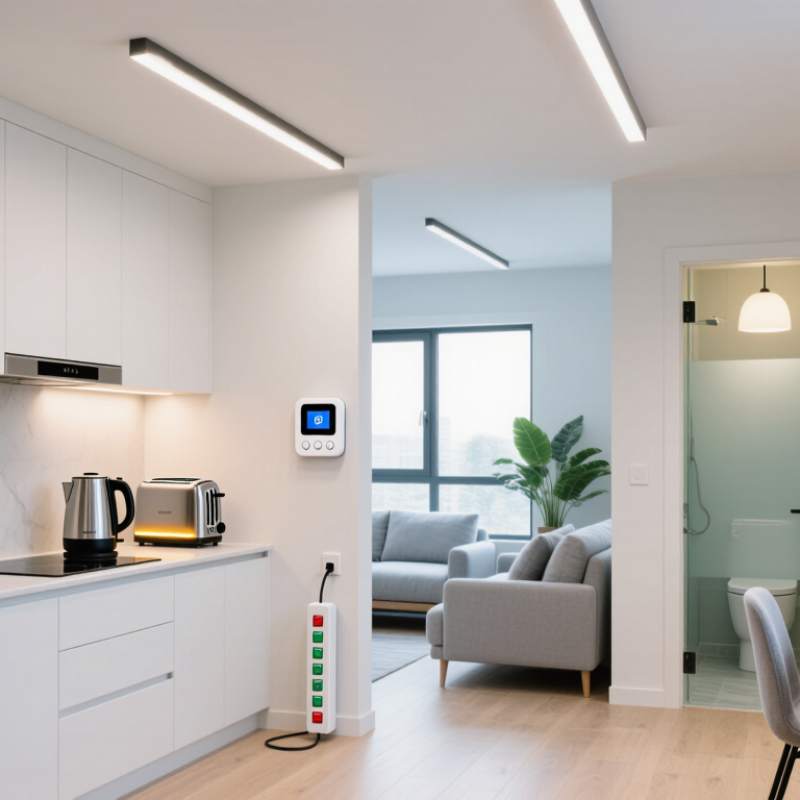
Essential Home Electrical Product Categories for Modern Households
Modern households need more than bulbs and extension cords. A practical electrical product plan starts with lighting: LED ceiling fixtures, task lamps, dimmers, and motion sensors can improve comfort while reducing wasted energy. Choose fixtures with suitable brightness, color temperature, and moisture ratings. Bathrooms and outdoor areas require extra care. A product that looks attractive may still be unsuitable there.
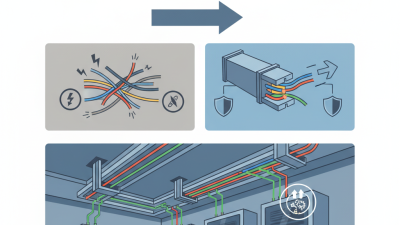
Power access is another essential category. Buy grounded outlets, USB charging outlets, weather-resistant covers, and high-quality power strips with overload protection. Circuit protection matters too. Residual-current devices and suitable circuit breakers can reduce shock and fire risks when correctly installed. Smart plugs and energy monitors may help track appliances, but they should not replace professional inspection. Local electrical rules differ, and online advice can be incomplete. I have found that small installation mistakes often create larger problems later.
Tips:
Check the product’s voltage, load rating, certification marks, and installation instructions before purchase. Keep cords away from heat, water, and walkways. Replace cracked plugs immediately. Ask a licensed electrician to assess new circuits, major rewiring, or protective-device installation. Do not force a plug into an outlet. It sounds obvious, yet rushed home repairs still cause preventable damage. Leave space around chargers and adapters, because crowded sockets can become warm. A simple label on each switch or breaker can also save time during an emergency.
How to Evaluate Safety, Quality, and Energy Efficiency
When choosing home electrical products, safety should be visible before convenience. I inspect plugs, cable insulation, and socket covers for cracks or loose parts. A product should carry recognized safety certification and clear installation instructions. Vague labels make me cautious. Local electrical codes also matter, especially for bathrooms, kitchens, and outdoor outlets.
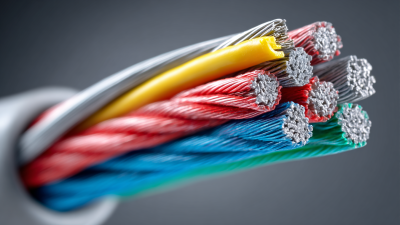
Quality often appears in small details. Strong switches should operate smoothly without buzzing or excessive heat. Cables need flexible insulation that does not feel brittle after bending. I prefer products with overload protection, secure terminals, and replaceable parts where appropriate. A licensed electrician can check wiring, grounding, and circuit capacity before installation. This step prevents a powerful appliance from overloading an old circuit.
Energy efficiency deserves practical testing. I use a plug-in meter to compare standby consumption overnight. Some devices advertise low energy use but still draw power continuously. That surprised me. Look for automatic shutoff, adjustable power settings, and efficient LED lighting. Energy labels help, but they are not perfect. Real household habits can change the result. Leaving chargers connected, blocking ventilation, or using a heater in a poorly insulated room wastes energy. I still make those mistakes sometimes. Careful buying helps, but safe daily use matters just as much.
Smart Features, Compatibility, and Installation Requirements
What Are the Top Home Electrical Products to Buy?
Smart electrical products are useful when their features match your daily routines. Smart switches can control ceiling lights, fans, and timers from a phone or voice assistant. Smart outlets work well for lamps, coffee makers, and seasonal lighting. Energy monitors can show which appliances consume the most electricity. That information may change your buying decision. Convenience is attractive, but unnecessary features can increase cost and maintenance.
Compatibility deserves careful attention. Check the home’s voltage, circuit rating, wiring layout, and wall-box depth before purchasing. Some switches require a neutral wire, while older homes may not have one. Wireless devices may depend on a stable 2.4 GHz connection or a separate hub. Newer communication standards can improve cooperation between different systems, but support is not always identical. Read the technical specifications, not only the product description. A small mismatch can leave an expensive device unused.
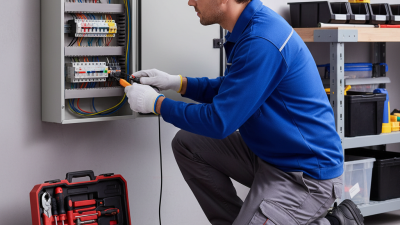
Installation requirements also affect safety and reliability. Turn off the circuit breaker, then test the wires with an approved voltage tester. Do not trust the switch position alone. Confirm grounding, wire size, and maximum load before connecting anything. Local electrical codes may require permits or professional installation. A licensed electrician is especially important for panel equipment, high-current circuits, and unfamiliar wiring. I sometimes focus too much on smart controls and overlook physical access. A device is less helpful when its reset button sits behind a heavy cabinet.
Maintenance, Replacement, and Responsible Product Disposal
When buying home electrical products, maintenance should guide the choice. A non-contact voltage tester, circuit tester, and replacement GFCI receptacle can help identify warning signs. Testers are useful, but they cannot replace a licensed electrician. Warm outlets, buzzing switches, flickering lights, or damaged insulation need prompt attention. I used to treat minor buzzing as harmless. That was careless.
Replacement decisions should consider safety, efficiency, and service life. The U.S. Department of Energy reports that LED lighting uses at least 75% less energy than incandescent lighting and can last up to 25 times longer. Choose products with clear safety certification, suitable ratings, and instructions that match your home’s wiring. Do not force a modern device into an unsuitable box. A small mismatch can create heat, loose connections, or repeated trips.
Disposal deserves equal attention. The Global E-waste Monitor 2024 reported 62 billion kilograms of electronic waste in 2022, while only 22.3% was formally collected and recycled. Old power strips, smart controls, chargers, and batteries should go through approved local collection programs. Separate batteries where required. Never leave damaged lithium batteries loose in a drawer. That shortcut can end badly. Keep receipts and recycling records when possible; they make responsible disposal easier to verify.