What is Cable Management Systems and Why Are They Important?
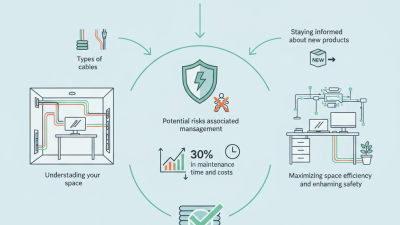
In an increasingly digital world, cable management systems play a crucial role in maintaining organization and efficiency. According to a report by Research and Markets, the global market for cable management solutions is projected to reach $20 billion by 2025. This highlights the growing recognition of the importance of effective cable management in various industries.
Proper cable management systems not only reduce clutter but also enhance safety by minimizing the risk of trips and falls. A survey conducted by the National Safety Council found that about 30% of workplace injuries are due to these hazards. In contrast, well-organized cables can lead to improved airflow and cooling, extending the lifespan of electronic equipment. However, many organizations still struggle with outdated or ineffective solutions, leading to gridlock and inefficiencies.
Investing in modern cable management systems is essential for both large organizations and small businesses. Yet, the initial implementation can be daunting. Understanding the unique needs of each space is critical. Some systems may require significant adjustments, which can cause temporary disruptions. Nevertheless, the long-term benefits, such as streamlined operations and enhanced safety, make cable management systems a worthwhile priority.
What is a Cable Management System and Its Key Components
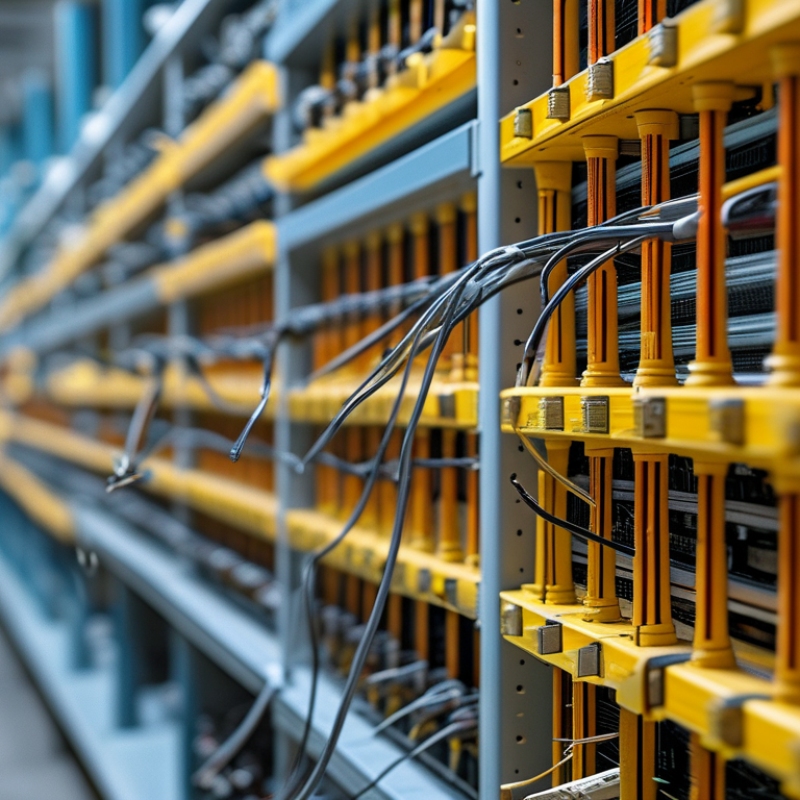
Effective cable management systems play a critical role in any electrical or technological environment. These systems encompass a variety of components designed to organize and protect cables. Key elements include cable trays, raceways, and ties, which help maintain a tidy workspace. An astounding 70% of companies report that poor cable management leads to increased maintenance costs and safety hazards.
Cable trays are essential for supporting and routing cables across a facility. They can be made from various materials, including metal and plastic, offering durability and flexibility. On the other hand, raceways serve as protective channels that conceal wires, reducing clutter and potential trip hazards. Research indicates that a well-implemented cable management strategy can cut installation time by up to 30%. However, poor implementation may result in tangled wires and inefficient workflows.
Cable ties are often overlooked but remain crucial in creating neat bundles of cables. These simple tools can prevent cable damage and facilitate easier maintenance. Nevertheless, sustainable practices in the use of cable ties can sometimes be neglected, leading to waste. Proper training and awareness are vital to ensuring that staff are equipped with knowledge of best practices. With efficient cable management systems in place, organizations can experience fewer disruptions and enhanced operational effectiveness.
Benefits of Effective Cable Management in Various Industries
Cable management systems play a crucial role in various industries, ensuring that workspace efficiency and safety are maintained. Proper cable management minimizes clutter. This not only improves aesthetics but also reduces hazards. In manufacturing and IT sectors, well-organized cables prevent equipment damage. Maintenance becomes easier when cables are clearly arranged.
Healthcare facilities benefit significantly from effective cable management. Medical devices often have multiple cables. Managing them properly ensures quick access during emergencies. It also reduces the risk of tripping, promoting a safer environment for both staff and patients.
Tips: Use cable ties and labels for easy identification. Regularly inspect cables for wear and tear. Implementing best practices from the start saves time later. An effective system can evolve with changing needs, but it’s essential to reflect on its limitations. Regular updates will ensure that the system remains efficient and reliable.
Benefits of Effective Cable Management in Various Industries
Industry Standards and Best Practices for Cable Management
Cable management is crucial in today’s technology-driven environments. Adhering to industry standards helps ensure safety and efficiency. Proper cable management reduces the risk of accidents and keeps workspaces organized.
It’s essential to use appropriate tools for effective cable management. Consider employing cable ties, clips, and sleeves. These tools promote tidiness, but they can also create a cluttered look if overused. Balance is key. Make sure to label your cables clearly. This practice ensures easy identification and reduces troubleshooting time.
Regular audits of cable setups can reveal issues. Look for frayed cables or loose connections. Resolve these problems promptly to avoid safety hazards. Remember, maintaining a cable system requires ongoing effort. Evaluate your setup frequently and seek feedback from team members. Enhancing your cable management practices leads to improved productivity and a safer work environment.
Impact of Poor Cable Management on Safety and Efficiency
Poor cable management can lead to severe safety hazards. Tangled cables can cause tripping, leading to injuries. They also make it difficult to identify issues, compounding the risk of electrical faults. A cluttered space doesn't just look unprofessional; it can also impair efficiency by wasting time when searching for cables.
For effective cable management, label each cable clearly. This step saves time during troubleshooting or replacement. Use cable ties or sleeves to keep wires organized and ensure they don't get damaged. Regularly inspect your cables for wear and tear, which can prevent future issues.
Consider your workspace layout. A well-planned setup promotes better airflow and reduces the risk of overheating cables. Remember, a small change in organization can make a significant difference in safety and efficiency. An unkempt environment can lead to overconfidence and neglect of safety protocols. Reflecting on these aspects can prevent accidents and improve your workflow.
What is Cable Management Systems and Why Are They Important? - Impact of Poor Cable Management on Safety and Efficiency
| Dimension |
Description |
Impact of Poor Management |
| Cable Organization |
The way cables are arranged to prevent tangling and confusion. |
Leads to increased downtime and difficult troubleshooting. |
| Safety Compliance |
Adhering to safety standards related to electrical wiring and cable setups. |
Risk of electrical hazards and potential fines from non-compliance. |
| Maintenance Efficiency |
Ease of access to cables for routine checks and replacement. |
Increased time and cost for maintenance activities. |
| Aesthetics |
The visual appeal of a cable installation. |
Poor appearance can lead to unprofessional perceptions. |
| Heat Management |
Managing cable layout to allow heat dissipation. |
Overheating can damage equipment and lead to failures. |
Cost Analysis: Investment in Cable Management vs. Long-term Gains
When considering cable management systems, a cost analysis is crucial. Investing in an effective cable management solution may seem expensive upfront. However, the long-term gains often outweigh these initial costs significantly. A well-organized cable setup reduces the risk of accidents and downtime. This can lead to higher productivity in the workplace and fewer maintenance costs over time.
Tips: Regularly evaluate your cable systems to find areas for improvement. Small upgrades can yield big results. For example, using color-coded labels can simplify troubleshooting and maintenance tasks.
Neglecting cable management can lead to chaos. Over time, tangled cables may cause damages. They're also a hazard in busy environments, increasing the risk of falls and injuries. Prioritizing cable organization ensures a safer workspace. This is an investment in both efficiency and safety. Remember, a streamlined approach pays off when you're faced with repairs or replacements.