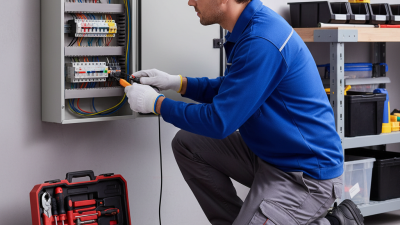
Top Home Electrical Tips for Safe and Efficient Living?
In the realm of home electrical systems, safety and efficiency are paramount. According to the National Fire Protection Association, nearly 51,000 electrical fires occur annually, causing significant damage and endangering lives. Homeowners must prioritize proper installation and regular maintenance to mitigate risks. Expert electrical engineer Dr. James Thompson emphasizes, "Understanding your home electrical system is crucial for safety and efficiency."
When you think about home electrical setups, consider the details that often get overlooked. Many people ignore outdated wiring or overloaded circuits, which can lead to catastrophic failures. Ensuring that your home is equipped with modern electrical standards can save money and lives. Keeping track of energy consumption can also lead to substantial savings on utility bills.
Awareness of these home electrical factors not only enhances safety but also improves overall efficiency. Yet, many homeowners remain uninformed or complacent about their electrical systems. This lack of action can be dangerous. Regular inspections and updates are not just suggestions; they should be mandatory considerations for safe living.

Understanding Basic Electrical Safety Principles for Homeowners
Understanding basic electrical safety is crucial for homeowners. Many overlook simple precautions. For instance, using overloaded outlets can lead to fires. Plugging too many devices into one socket strains the electrical system. Never underestimate the power of a short circuit. It can cause significant damage.
Regular inspections are vital. Check your wiring for fraying or damage. If you notice flickering lights, it's a sign of trouble. Don’t ignore these warnings. Consider the placement of extension cords. They should not run under carpets or be pinned against walls. This can cause them to overheat.
Remember, children are curious. Keep electrical outlets covered. Teach them about dangers too. Working with electricity requires skill. If unsure, calling a professional is wise. Safety should always come first. Make it a habit to discuss electrical safety with your family. It’s a conversation worth having for a safe home.
Top Home Electrical Tips for Safe and Efficient Living
Essential Tools Every Homeowner Should Have for Electrical Maintenance
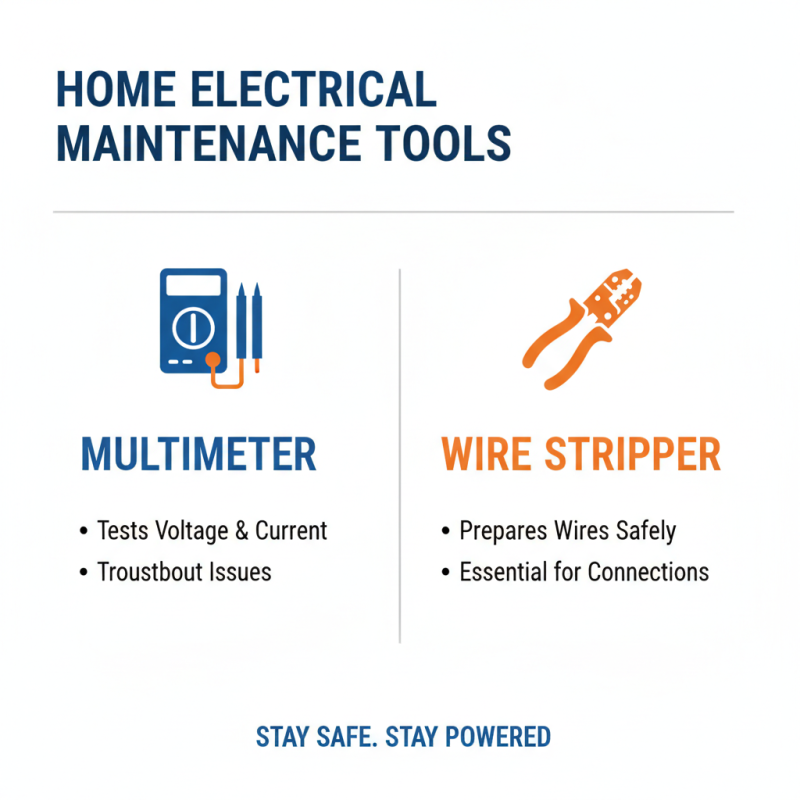
When it comes to electrical maintenance at home, having the right tools is crucial. A multimeter is a must-have for testing voltage and current. This device helps you troubleshoot electrical issues easily. A wire stripper is also essential. It allows you to safely and efficiently prepare wires for connections. Without a proper wire stripper, you risk damaging the wire or injuring yourself.
Insulated screwdrivers are another important tool. They protect you from electric shock while you work. It's easy to underestimate the value of quality tools. Yet, using subpar tools can lead to accidents or poor connections. A voltage tester is invaluable as well. It helps ensure that circuits are safe before you begin working. Moreover, wearing safety gloves is not just a suggestion, but a necessity.
Lastly, consider having a circuit breaker finder. This tool helps locate specific breakers quickly. Many homeowners struggle with identifying which breaker controls a specific area. This often leads to confusion and frustration. A well-stocked toolbox can make electrical tasks safer and more efficient. The right tools help you tackle small problems before they escalate.
Energy-Efficient Lighting Solutions for a Greener Home Environment
Creating a greener home environment starts with smart lighting choices. Energy-efficient lighting solutions can significantly reduce energy consumption. Options like LED bulbs are popular for their long lifespan and lower energy use. They emit less heat and can save money over time. However, not everyone considers their color temperature when choosing bulbs. A harsh light can create a cold atmosphere that feels unwelcoming.
Using dimmers can enhance the cozy factor in any room. They allow flexibility in brightness, which can be adjusted according to the mood or occasion. It’s easy to forget how different lights affect our feelings and productivity. Controlling light levels helps create a comfortable living space, but installing dimmers can be overlooked in many homes.
Additionally, utilizing natural light is a fantastic yet often neglected strategy. Opening blinds and curtains during the day can minimize the need for artificial light. This simple change can boost your mood and reduce energy bills. It invites warmth and life into your home, yet many still rely heavily on electric sources. Reflecting on these habits can point towards a more sustainable approach to everyday living.
Common Electrical Hazards and How to Mitigate Them
When it comes to home electrical safety, recognizing common hazards is crucial. Overloading outlets can cause fires. Avoid plugging too many devices into one socket. Look for signs like flickering lights or burnt smells, which indicate deeper issues. A fire alarm won’t save you from ignored signs.
We must also consider hidden electrical dangers. Damaged cords may look harmless but they can spark. Regularly inspect your cables for fraying or cuts. If you find any, replace them immediately. Dead outlets and switches may seem minor but can pose serious risks. It’s better to address them sooner rather than later.
One important tip is to use surge protectors. They can help save your electronics from sudden voltage spikes. But remember, they aren’t a substitute for good wiring. Consider having a qualified electrician check your home’s wiring. Aging systems can lead to unexpected failures. Sometimes, we overlook these details until it’s too late. It’s wise to stay proactive about safety measures.
Top Home Electrical Tips for Safe and Efficient Living
| Electrical Hazard | Description | Prevention Tips |
|---|---|---|
| Overloaded Circuits | Exceeding the capacity of electrical circuits can cause overheating. | Use power strips and distribute appliances evenly across circuits. |
| Frayed Cords | Damaged cords can lead to electric shocks and fires. | Regularly inspect cords for wear and replace them as needed. |
| Inadequate Grounding | Improper grounding can cause electrical shock risks. | Ensure that all outlets are properly grounded, especially in older homes. |
| Water and Electricity | Water increases the risk of electrical shock. | Keep electrical devices away from wet areas and use GFCI outlets. |
| DIY Electrical Work | Improper installation can lead to serious hazards. | Always hire a qualified electrician for electrical work. |
When to Consult a Professional Electrician for Home Projects
Home electrical projects can seem simple, yet they often require
professional expertise. If you're unsure about the electrical work needed,
it's time to seek help. Issues like flickering lights or frequent circuit trips may indicate deeper
problems. These problems aren’t always obvious at first glance. A hasty DIY attempt might lead to
bigger issues.
Electrical systems are complex, with hidden connections and safety standards. If you plan to
install new outlets or manage major upgrades, consult
an electrician. Safety should always come first. A professional can
safely assess existing wiring and code compliance. They have the right tools and knowledge for
safe installations or repairs. Don’t hesitate to ask them questions about your concerns.
Understanding your home’s electrical system is valuable.
You might think small fixes can be tackled alone. But remember, even minor tasks can escalate.
For example, changing a light fixture may seem straightforward, yet improper handling can
cause shocks. Trust your instincts. If a project feels daunting, or if you have doubts,
call an expert. Investing in the right help can ensure a
safer living environment.
Related Posts
-
How to Safely Perform Home Electrical Repairs: Tips and Best Practices
-
Understanding the Basics of Cable and Wire Types for Everyday Applications
-

10 Essential Tips for Choosing the Right Cable Supplier for Your Business Needs
-
10 Essential Tips for Choosing the Best Cable Hider for Your Home
-
2026 How to Choose the Right Electric Duct for Your Home?
-

2025 Top 5 Cable Conduits: The Best Solutions for Your Wiring Needs