Digital Cable Management Best Practices for Clean Setup?
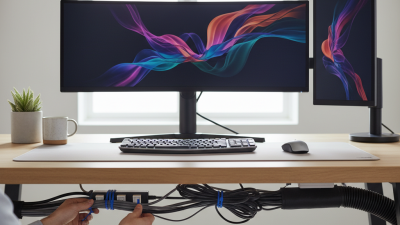
In today's digital world, effective cable management is essential for creating a clean setup. Cables can quickly become an unsightly mess, leading to confusion and frustration. A well-organized environment not only looks better but can also enhance productivity. Many people overlook cable management until problems arise.
Creating a functional workspace requires attention to detail. Identifying and grouping cables by purpose can be a good starting point. Use cable ties or sleeves to bundle cables together, reducing clutter. Labeling each cable can save time when troubleshooting or rearranging. The aim is to keep your cables visible but tidy, which can be a challenge.
Despite the best intentions, achieving perfect cable management is often difficult. Many setups still end up with tangled wires. Reflecting on your cable management strategies is important. Feedback from users can offer insights for improvement. The goal should always be to create an efficient workspace while avoiding the chaos that tangled cables can bring.

Best Practices for Planning Your Digital Cable Layout
Planning your digital cable layout is essential for a neat setup. Start by mapping out your space. Take measurements of your devices and available areas. This helps you visualize cable placement. Organize your setup with a clear plan before plugging anything in.
Consider using cable organizers like clips or sleeves. They keep cables bundled together. This reduces tangling and clutter. Labeling cables can also be helpful. A simple label can save time during troubleshooting. Reflect on the placement of your power strips. Ensure they are accessible but out of sight.
Not every method will work perfectly for everyone. Be open to adjusting your layout as needed. Sometimes, a neat appearance may clash with practicality. Don’t hesitate to experiment with different configurations. Keep improving your setup based on your experience. It's all part of the learning process.
Digital Cable Management Best Practices for Clean Setup
| Best Practice | Description | Benefits | Implementation Tips |
|---|---|---|---|
| Plan Your Layout | Design a clear plan for where cables will go, considering both efficiency and accessibility. | Reduces clutter and improves accessibility during maintenance. | Use diagrams to visualize your setup before installation. |
| Use Cable Management Tools | Utilize cable ties, sleeves, and ducts to neatly bundle and conceal cables. | Minimizes tangling and enhances aesthetics. | Choose appropriate tools based on cable quantity and type. |
| Label Cables | Clearly label each cable to identify its function and destination. | Facilitates quick troubleshooting and reduces confusion. | Use color-coded labels for improved visibility. |
| Regular Maintenance | Regularly check and tidy cables to prevent wear and tear. | Increases the lifespan of cables and equipment. | Schedule maintenance checks every few months. |
| Consider Environment | Take into account temperature, humidity, and other environmental factors when placing cables. | Prevents damage due to extreme conditions. | Ensure cables are suited for their environment. |
Understanding Cable Management Tools and Solutions
Effective cable management is crucial for creating a clean and organized workspace. A recent report indicates that 80% of IT professionals believe tidy cabling improves productivity. The right tools can make a significant difference. Cable trays, Velcro ties, and cable wrap solutions help categorize and separate various cables, reducing the risk of tangles.
Many struggle with excessive cables in their setups. A survey found that nearly 60% of users feel overwhelmed by cable clutter. Solutions like labeling cables and using color-coded covers can enhance clarity. Consider investing in custom-length cables to minimize excess and improve aesthetics.
While tools are available, the method of implementation often falls short. Users frequently ignore ongoing maintenance. Regularly inspecting and re-organizing cables is vital. Inconsistent practices can lead to chaotic setups over time. A thoughtful approach to cable management not only enhances appearance but also supports operational efficiency.
The Importance of Labeling Cables in a Digital Setup
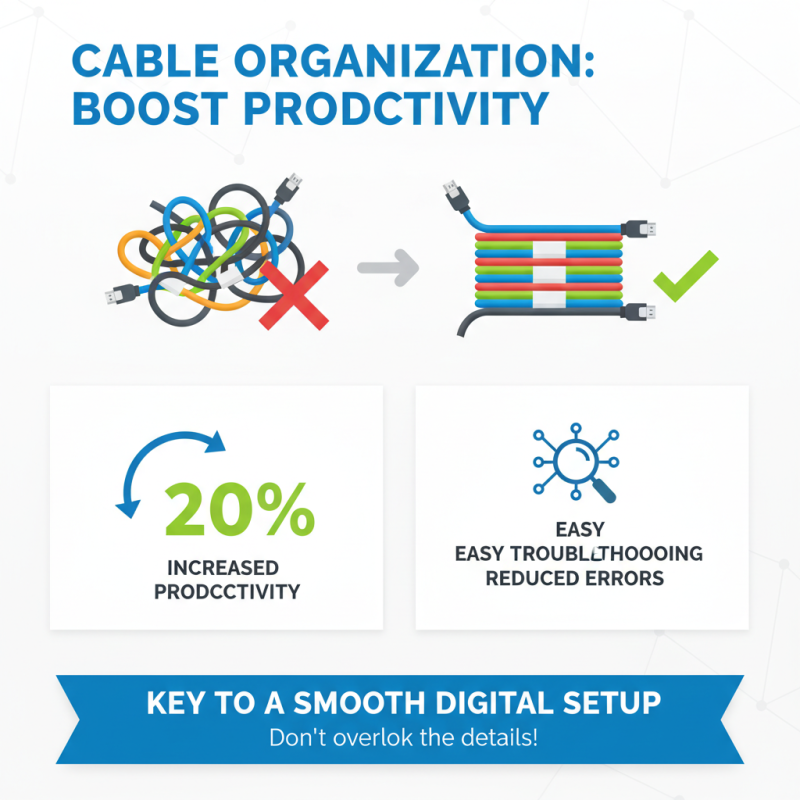
In a digital setup, labeling cables is crucial. Research shows that a well-organized system can increase productivity by 20%. This detail often gets overlooked. Many people spend hours troubleshooting. A messy array of cables can lead to confusion and errors. Clear labels help track connections easily.
Using color-coded labels can further enhance organization. It’s effective and visually appealing. Industry reports indicate that visual cues improve response time. However, not everyone adopts this habit. Some still use generic labels, which can lead to mistakes. Labeling should be consistent, simple, and easy to read.
Neglecting cable management can result in technical issues. According to studies, 30% of IT issues are caused by poor cable management. This highlights the need for diligence in setup. Taking the time to label correctly pays off. Often, professionals discover overlooked cables that cause significant delays. Creating a standardized labeling system can solve many headaches in the long run.
Implementing Effective Cable Routing Techniques
Implementing effective cable routing techniques is crucial for a clean setup. Start by assessing your space thoroughly. Identify where the cables will originate and terminate. This allows for better planning of their paths. Use cable clips and ties to keep everything organized. A jumbled mess of cables can lead to frustration.
Consider the length of each cable. Too much slack can create confusion. Aim for just enough length to avoid tension. Routes should be straightforward but flexible. If you need to make adjustments, ensure it’s easy to do so. Experiment with different layouts. It’s okay to change things a few times until you find what works best.
Don’t forget about airflow. Avoid tight constraints where heat can build up. This can happen if cables are too bundled. Regularly check your setup. Dust and debris can accumulate and cause issues. Implementing a simple cleaning routine helps maintain a tidy appearance. Adopting these methods requires ongoing effort, but the result is a more efficient workspace.
Maintaining and Organizing Cables for Long-Term Efficiency
Maintaining and organizing cables effectively can greatly enhance long-term efficiency. According to a report by the IDC, approximately 80% of IT professionals spend too much time managing their cables. This time could be better utilized for strategic tasks. A chaotic setup not only hinders productivity but creates safety hazards as well.
Implementing cable management solutions can reduce clutter. Using cable ties, sleeves, and labeled boxes allows easy access to each cable. It is essential to regularly evaluate the setup. A biannual inspection can catch any wear and tear. Failure to do this may lead to costly replacements. In fact, research shows that improper cable management can increase maintenance costs by 25%.
Visual appeal is another significant aspect of cable management. A neat appearance can positively affect work environments. However, many overlook this, leading to distracting eyesores. Regular cleaning sessions can address this. Professionals should aim for both functionality and aesthetics in their setups. Neglecting this balance can create frustration and diminish focus, ultimately impacting overall efficiency.
Digital Cable Management Best Practices for Clean Setup
This chart illustrates the effectiveness of different cable management practices in terms of long-term efficiency. The data represents the percentage of users who report improved performance and reduced clutter based on their chosen management strategy.
Related Posts
-
What is Cable Management? Tips for Organizing Your Wires Effectively
-

The Ultimate Guide to Effective Cable Management Strategies for a Tidy Workspace
-

Ultimate Guide to Innovative Cable Holder Solutions for a Clutter Free Space
-
How to Choose the Best Cable Management Solutions for Your Home Office
-
Why Cable Management is Essential for a Tidy and Efficient Work Environment
-
What is Cable Management Systems? Benefits and Best Practices Explained