How to Choose the Best Electric Impact Driver for Your Needs?
Choosing the best Electric Impact Driver can be daunting. With many options available, it's essential to understand your specific needs. Renowned tool expert, Mike Smith, once said, "The right tool makes all the difference." This sentiment rings true in the world of Electric Impact Drivers.
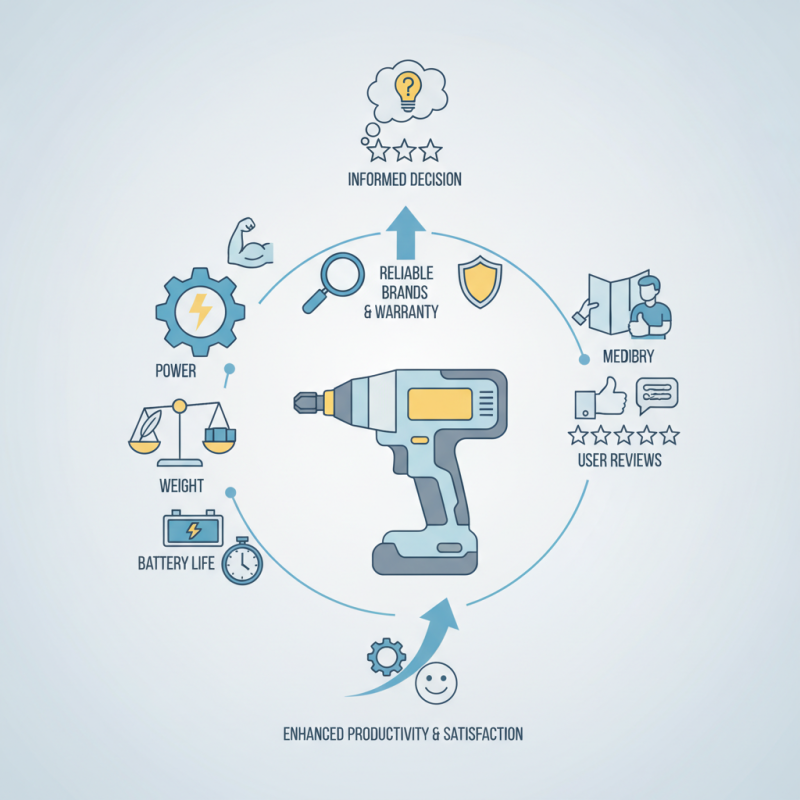
When selecting an Electric Impact Driver, consider power, weight, and battery life. Each project demands different features. A heavier driver might not suit your comfort level. On the other hand, a lighter model may lack the torque needed for tougher tasks.
Furthermore, look for reliable brands that offer warranties. This ensures you're investing in quality. Don't overlook user reviews; they often highlight strengths and weaknesses. An informed decision requires careful thought and reflection on your unique requirements. Ultimately, the right Electric Impact Driver will enhance your productivity and satisfaction.
Understanding the Basics of Electric Impact Drivers
Electric impact drivers are essential tools for both professionals and DIY enthusiasts. Understanding how they work is crucial. These tools combine rotational motion with high torque bursts. This helps drive screws and fasteners with ease. Unlike regular drills, they provide more power for tough materials. Users often find that standard drills can struggle with dense wood or metal. An impact driver overcomes these challenges, making it a go-to for heavy-duty tasks.
When choosing an electric impact driver, consider weight and ergonomics. A lighter tool can reduce fatigue during prolonged use. Grip design is vital for control. Look for models with rubberized handles for comfort. Battery life should also be evaluated. Some drivers may offer quick charging options, enhancing productivity on the job site. An inexperienced user might overlook these features, but they significantly affect performance.
Another key factor is torque settings. Adjustable modes allow for versatility in different applications. Not all tasks require maximum torque. A user might want to drive smaller screws without stripping them. Thus, understanding these specifications is essential. It allows a tailored approach to each project, enhancing efficiency and results. Be attentive to your preferences and requirements.
Key Features to Consider When Selecting an Electric Impact Driver
When choosing an electric impact driver, consider several key features. The torque rating is crucial. Higher torque means more power for driving screws and bolts. Look for a model with at least 1,500 inch-pounds of torque for versatile use. However, balance the power with ease of handling. A lightweight design can improve maneuverability, especially in tight spaces.
Battery life is another major factor. Long-lasting batteries ensure your work isn't interrupted. Models with lithium-ion batteries charge quickly and offer extended usage. Remember to consider the charging time as well. A driver that takes too long to recharge may hinder your workflow. Check for features like variable speed settings. They allow for precision control in various tasks, from delicate work to tougher jobs.
Don’t overlook the importance of ergonomics. A comfortable grip reduces fatigue during prolonged use. Some drivers include anti-vibration technology, enhancing comfort. Reflect on your personal needs. Are you a casual DIY enthusiast or a professional? Your usage frequency can affect your choice. Ultimately, prioritize features that align with your specific tasks. Make a list of must-have features and evaluate options accordingly.
Evaluating Battery Life and Charging Options
When evaluating electric impact drivers, battery life and charging options are crucial factors. A long-lasting battery allows for extended use, reducing interruptions during projects. Standard options usually provide a runtime of 20-30 minutes for heavy tasks. However, battery capacity varies among models. A 2.0 Ah battery is often sufficient for light work, but consider a 4.0 Ah or larger for more demanding jobs.
Charging times also play a significant role. Quick chargers can rejuvenate batteries in around one hour. This is essential for busy users who need their tools ready. However, not all impact drivers come with fast charging features, which can lead to downtime. It’s worth considering investing in additional batteries if your tasks are extensive.
Similarly, evaluate the type of battery. Lithium-ion batteries are now standard, offering long life and low self-discharge rates. However, older models with nickel-cadmium batteries might not hold charges as effectively. Delve into consumer reviews and expert opinions to find options that balance longevity and charge time efficiently.
How to Choose the Best Electric Impact Driver for Your Needs? - Evaluating Battery Life and Charging Options
| Model | Battery Life (Hours) | Charging Time (Hours) | Battery Type | Torque (Nm) | Weight (kg) |
| Model A | 5 | 1 | Lithium-ion | 150 | 1.5 |
| Model B | 6 | 1.2 | Lithium-ion | 180 | 1.7 |
| Model C | 4 | 0.8 | Lithium-ion | 135 | 1.3 |
| Model D | 7 | 1.5 | Lithium-ion | 200 | 1.9 |
Comparing Torque Ratings and Speed Settings
When selecting an electric impact driver, torque ratings and speed settings are crucial factors. Torque measures the rotational force the driver can exert. Higher torque is useful for heavy-duty tasks, like driving long screws into dense materials. For lighter jobs, a driver with lower torque suffices. Generally, a torque rating between 1,500 to 2,000 in-lbs is ideal for most users.
Speed settings also play a significant role. They determine how fast the driver can spin the bits. A model with multiple speed settings provides flexibility. Slower speeds are useful for delicate tasks, while higher speeds help with quick, powerful actions. It can be tempting to choose the highest speed, but remember that control is critical. Rushing can lead to mistakes or stripped screws.
**Tips:** Always assess your specific needs before making a decision. Consider the types of projects you frequently undertake. A well-rounded driver can shine in varied scenarios. Don’t overlook the weight and size. Heavier drivers may cause fatigue during extended use. Experiment with different torque and speed levels to find your comfort zone. Everyone's preferences differ; what works for one may not suit another.
Comparative Analysis of Electric Impact Drivers
This chart compares the torque ratings and speed settings of various electric impact drivers to help you choose the best one for your needs.
Assessing Price vs. Performance in Different Models
When choosing an electric impact driver, it's crucial to evaluate price versus performance. Many models are available, each offering unique features. A higher price often correlates with better battery life, torque power, and durability. However, the most expensive model isn’t always the best choice for casual users.
Consider the tasks you'll perform. If you need occasional home repairs, a mid-range option may suffice. Professionals, on the other hand, might benefit from a robust, high-performance model. Balance is key. Be wary of flashy features that won't improve your workflow. Research user reviews and expert opinions to assess reliability.
Pay attention to weight and ergonomics, too. A heavy driver may cause fatigue over time. You want comfort with functionality. Test various models if possible. Reflect on what matters most to you. Prioritize your needs over brand popularity. For every advanced feature, there could be a simpler model that gets the job done just as well.