Top Benefits of Using Filter Bottles for Clean Water?
In today's world, access to clean water is vital. Many people seek solutions to ensure they drink safe and healthy water. One effective and practical option is the Filter Bottle. This innovative product provides a convenient way to purify water, making it suitable for daily hydration.
Filter Bottles come with built-in filtration systems. These systems can remove impurities, bacteria, and harmful chemicals. They are essential for outdoor enthusiasts and travelers. With a Filter Bottle, you can refill from rivers or public sources without worry. This feature encourages a more adventurous lifestyle, allowing individuals to explore nature responsibly.
However, not all Filter Bottles are created equal. Some may not filter out all contaminants effectively. Research shows that some brands fall short in performance. It’s crucial to choose a reputable brand with proven results. This choice ensures you benefit from clean, safe water. Awareness of these differences can guide consumers toward smarter decisions. Overall, Filter Bottles offer numerous advantages, but understanding their limitations is key.
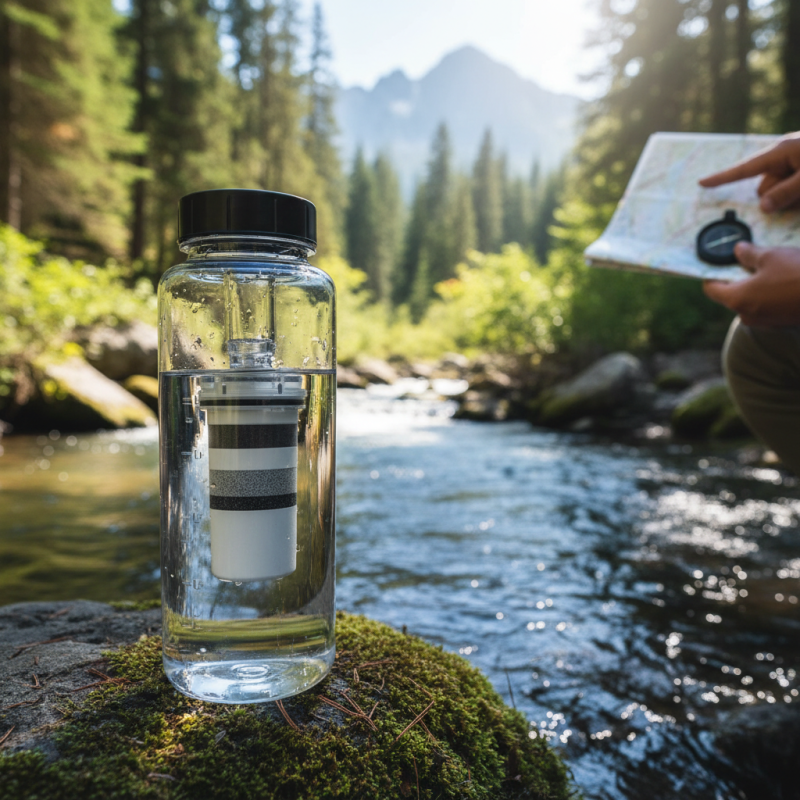
Advantages of Using Filter Bottles for Access to Clean Water
Using filter bottles for clean water offers numerous advantages. Firstly, they are portable and convenient for daily use. Whether you're hiking, traveling, or just at the office, a filter bottle is easy to carry. You simply fill it from any water source, and it instantly purifies the water, providing a reliable solution for hydration. This immediacy is particularly beneficial in areas where clean water is scarce.
Moreover, filter bottles can eliminate harmful contaminants. They reduce bacteria, viruses, and parasites that may cause illness. Many users report feeling safer drinking from various sources, knowing that their filter bottle acts as a protective barrier. This added security can encourage more people to stay hydrated, especially those who may be reluctant to drink tap water. However, it’s important to remember that no filter is perfect. Regular maintenance and replacement of filter cartridges are necessary to ensure continued effectiveness.
Additionally, using filter bottles is an eco-friendly choice. They help decrease the reliance on single-use plastic bottles. This shift can contribute to a reduction in plastic waste, making a positive impact on the environment. Nonetheless, consumers should be aware of their responsibilities. Not all filter bottles are created equal, and understanding the specific filtration system is crucial for optimal use.
Top Benefits of Using Filter Bottles for Clean Water
| Benefit | Description |
| Convenience | Filter bottles are portable and allow access to clean water anytime, anywhere without the need for bulky purification systems. |
| Cost-Effective | Investing in a filter bottle can save money over time compared to buying bottled water or installing expensive filtration systems. |
| Environmental Impact | Using reusable filter bottles reduces plastic waste and minimizes the environmental damage caused by single-use plastic bottles. |
| Health Protection | Filter bottles can remove harmful contaminants and bacteria, providing safer drinking water and helping to prevent illness. |
| Versatility | Many filter bottles are designed to work with various water sources, including tap water, rivers, and lakes, making them versatile for different environments. |
| Ease of Use | Most filter bottles are designed for straightforward operation—simply fill, filter, and drink—making them user-friendly for all ages. |
How Filter Bottles Improve Water Quality and Taste
Filter bottles serve as a practical solution for enhancing water quality. They effectively reduce contaminants such as chlorine, lead, and bacteria. According to a report by the National Sanitation Foundation (NSF), activated carbon filters can remove 99% of harmful substances, significantly improving taste. Clean water not only hydrates but also supports overall health.
In various studies, users have reported enjoying water more when it's free from unpleasant odors and tastes. According to a survey by Water Quality Research Foundation, over 60% of people prefer filtered water. This is not just about taste; it is about safety. Consuming clean water can lead to fewer health issues, and filter bottles make it easy to drink on the go.
However, not all filter bottles perform equally. Some may require frequent replacements or offer limited filtration capacity. The cost of maintenance is a concern. People need to educate themselves about their filter options to ensure they are choosing wisely. The effectiveness of filters can vary widely based on types and usage frequency. Understanding these nuances is crucial for achieving the best results in water quality and taste.
Convenience of Portable Water Filtration Systems
Portable water filtration systems offer a convenient solution for accessing clean water, especially in outdoor settings. According to a recent report by the World Health Organization, nearly 2 billion people lack access to safe drinking water. This statistic highlights the need for reliable water purification methods. Filter bottles provide an effective way to tackle this issue, allowing individuals to turn questionable water sources into potable water.
Using filter bottles is not only about convenience. They also reduce the reliance on single-use plastic bottles. The Ocean Conservancy indicates that plastic bottles contribute significantly to ocean pollution, with millions ending up in oceans yearly. A portable filter bottle can save consumers money and promote sustainability. It's a simple tool that can lead to substantial environmental benefits.
However, users must be mindful of their limitations. Not all filter systems remove all contaminants. Some may not be effective against specific pathogens or chemicals. It's crucial to choose a filter that fits the intended use. Reflecting on these points can help users make informed decisions while enjoying the convenience of a portable filtration solution.
Environmental Impact and Sustainability of Filter Bottles
Filter bottles are becoming increasingly popular as a sustainable solution for clean water. Their design allows users to enjoy fresh water while minimizing environmental footprint. According to a 2021 report from the International Bottled Water Association, around 50 billion plastic water bottles are used in the U.S. alone each year. Many end up in landfills, contributing to pollution.
Using filter bottles can significantly reduce plastic waste. Each bottle can replace hundreds of single-use plastic bottles. A study from the World Wildlife Fund suggests that if every person in the U.S. used a filter bottle, we could save over 23 billion plastic bottles annually. This change can directly impact our oceans and wildlife, fostering healthier ecosystems.
Despite these benefits, some users may overlook the importance of maintenance. Filters must be changed regularly to ensure water quality. This can lead to waste if filters are not disposed of properly. Educating consumers on responsible disposal practices is crucial. Filter bottles offer a path to sustainability, but users must commit to using them wisely and reflect on their habits.
Cost-Effectiveness of Filter Bottles Compared to Other Water Solutions
Filter bottles are emerging as a practical solution for clean water access. They provide a convenient way to ensure safe drinking water, especially during outdoor adventures. Cost-effectiveness is a crucial factor driving their popularity. These bottles often cost less than purchasing bottled water over time.
Using a filter bottle can significantly reduce expenses. Regular water bottles can become expensive if one frequently buys bottled options. A filter bottle can last months, providing thousands of liters of clean water. The initial investment may be higher, but savings quickly accumulate. Travelers and outdoor enthusiasts find this particularly beneficial.
However, there are challenges to consider. Filter efficiency may decline if not maintained properly. Users need to remember to replace filters regularly. This can lead to unexpected costs or a reliance on less effective filtration. It's essential to be aware of these factors when choosing a filter bottle. The balance between cost and convenience requires careful thought.