2026 Best Circuit Breaker Box Types for Global Buyers?
Choosing the right Circuit Breakers Box in 2026 is more than comparing prices or counting breaker spaces. Global buyers must consider electrical capacity, installation conditions, maintenance access, and regional requirements. A residential panel for a dry apartment differs greatly from an industrial enclosure near a humid port. Small details matter, including busbar material, enclosure depth, terminal quality, and clear labeling.
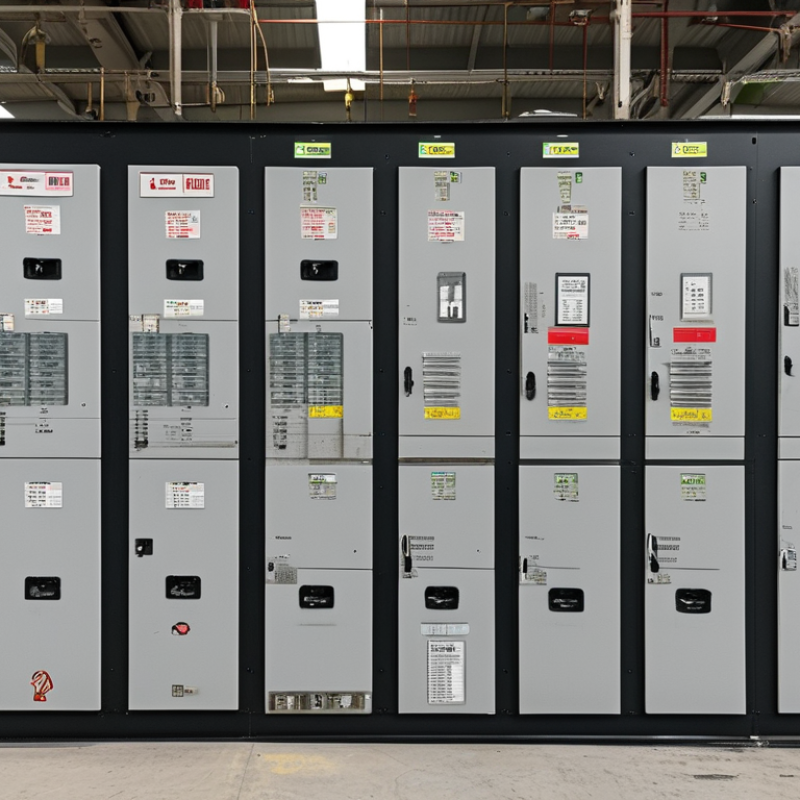
This guide examines the main circuit breaker box types available to international buyers. It compares miniature circuit breaker panels, molded-case circuit breaker enclosures, distribution boards, weatherproof boxes, and smart electrical panels. Each type serves a different risk level and operating environment. For example, a factory may need higher interrupting capacity and stronger heat resistance. A small commercial building may value modular expansion and simple inspection. Buyers should verify voltage, frequency, current rating, ingress protection, and certification documents before ordering.
Supplier experience also deserves careful attention. Reliable manufacturers usually provide test reports, wiring diagrams, product traceability, and practical installation guidance. Yet certificates alone do not guarantee a suitable product. That point is easy to overlook. Shipping damage, incorrect accessories, or unclear regional compatibility can create costly delays. This overview therefore balances technical performance, purchasing risk, and long-term serviceability. It does not assume one universal solution. Some recommendations remain conditional, because local engineers, inspectors, and site conditions can change the final choice. The best Circuit Breakers Box is not always the most advanced model. It is the one that safely matches the application, environment, and maintenance reality.
Circuit Breaker Box Basics and Its Role in Electrical Protection
Circuit breaker boxes distribute electricity from the main supply to separate household or commercial circuits. Each breaker protects wiring from excessive current. When a fault occurs, it trips and interrupts power before heat damages insulation.
Inside a typical box, a main disconnect controls incoming power, while branch breakers serve lighting, sockets, appliances, or machinery. Neutral and grounding conductors follow separate paths where required by the installation design. Clear labels matter. A handwritten “back room” note may become confusing years later. Good labeling helps technicians isolate faults quickly and reduces unnecessary contact with energized parts.
Selection depends on voltage, current capacity, environment, expansion space, and local electrical rules. Buyers should confirm enclosure ratings for moisture, dust, temperature, and corrosion. In coastal areas, ordinary metal protection may deteriorate faster than expected. The box must also accept compatible breakers and correctly sized conductors. Oversized protection can leave wiring vulnerable.
Do not guess.
Practical inspections often reveal loose terminals, crowded cable entries, missing blanks, or breakers used beyond their intended purpose. These details are easy to overlook during purchasing. A qualified electrician should verify the load calculation, grounding arrangement, short-circuit rating, and installation method before energizing the box. Requirements differ between countries, and product documents should be checked against the destination market. Even experienced installers can miss one detail when schedules are tight.
Main Circuit Breaker Box Types for Residential and Commercial Systems
2026 Best Circuit Breaker Box Types for Global Buyers?
Main Circuit Breaker Box Types for Residential and Commercial Systems
Residential systems commonly use load centers, main breaker panels, and subpanels. A load center distributes power from the utility service to household circuits. The main breaker disconnects the entire home during maintenance or emergencies. Subpanels serve garages, workshops, extensions, or upper floors. They reduce long cable runs and make circuit organization easier. However, adding a subpanel requires careful load calculation and correct grounding. I have seen crowded panels hide unused breakers and unclear labels. That small oversight can slow troubleshooting.
Commercial systems need stronger distribution equipment. Main switchboards handle larger incoming services and multiple feeder circuits. Panelboards distribute electricity to offices, retail spaces, production areas, and shared facilities. Some buildings also use motor control centers for pumps, fans, or machinery. These systems may require higher fault ratings, better enclosure protection, and space for future expansion. A compact box may seem efficient today. It can become restrictive after one renovation.
Tips: Check voltage, phase, available fault current, enclosure conditions, and circuit capacity before purchasing. Confirm local electrical requirements with a qualified professional. Leave about 20 percent spare capacity when practical. Label every circuit clearly. Compare actual equipment data, not only online photographs. Climate matters too; humid or dusty locations may need suitable enclosure protection. I would also review the layout twice, because neat wiring does not always mean correct wiring.
How to Compare Breaker Box Capacity, Voltage, and Configuration
2026 Best Circuit Breaker Box Types for Global Buyers?
Choosing a breaker box starts with capacity, not appearance. Estimate the building’s calculated load, then allow room for future circuits. A 100-amp panel may suit a small dwelling, while larger properties often require 200 amps or more. However, bigger is not automatically safer. The service entrance, conductors, and utility supply must support the selected rating.
Voltage and configuration require careful comparison. Check the system voltage, phase, frequency, and available fault current before ordering. A box rated for one voltage system may be unsuitable for another. Configuration includes circuit spaces, main-breaker position, bus arrangement, neutral layout, and grounding provisions. Indoor and outdoor installations also need different enclosure protection. Local electrical rules remain essential, even when the equipment appears technically compatible.
Tips: Match the box rating to the complete electrical system, not only the expected appliance load. Leave several spare spaces for later circuits. Confirm whether the design needs single-pole, double-pole, or other approved breakers. Ask a qualified electrician to verify conductor sizes, torque requirements, and fault ratings. Small details matter. I would also recheck the voltage label and wiring diagram before purchase, because online listings can be incomplete or confusing. A simple comparison table can expose missing data before the equipment reaches the job site.
Safety Standards and Regional Requirements for Global Buyers
2026 Best Circuit Breaker Box Types for Global Buyers?
Selecting a circuit breaker box for global use starts with regional safety requirements, not appearance. A compact enclosure may look suitable, yet lack the required short-circuit rating. Check the system voltage, frequency, current capacity, and fault level before comparing designs. A 230 V label does not guarantee compatibility with every 230 V network.
In Europe, buyers commonly review IEC-based conformity, low-voltage requirements, enclosure protection, and CE documentation. North American projects often require nationally recognized testing and clear interrupting ratings. Australia and New Zealand may follow AS/NZS requirements, while other markets adopt local versions of IEC standards. The exact rule depends on installation type and jurisdiction. Ask for test reports, declaration documents, wiring diagrams, and temperature-rise data. Paperwork matters.
Installation details can change the correct choice. Outdoor boxes may need stronger IP protection, UV resistance, and corrosion control. In wet areas, cable glands and drainage deserve close inspection. Neutral switching, earthing arrangements, and busbar spacing also vary by region. A recurring procurement mistake is treating certification as universal. It is not. Local authorities and licensed electricians should verify the final assembly before shipment or installation. Even experienced buyers can miss a small detail, such as incompatible conductor sizes or insufficient terminal space. Leave room for inspection and maintenance. Small gaps in planning become expensive later.
2026 Best Circuit Breaker Box Types for Global Buyers
Typical residential supply voltage is a key factor when selecting a circuit breaker box, busbar system, and protective devices for different markets.
Safety and Regional Requirements
Low-voltage residential systems commonly use 230 V at 50 Hz across much of Europe, Asia, Australia, and New Zealand, while North America commonly uses 120/240 V at 60 Hz. Japan commonly uses 100 V at 50 or 60 Hz depending on the region. Buyers should verify local electrical codes, enclosure ratings, short-circuit ratings, conductor space, earthing arrangements, and requirements for residual-current or ground-fault protection before import or installation.
Values show typical single-phase residential supply voltage and are provided for initial product comparison only. Actual utility voltage, permitted breaker configuration, and mandatory protection requirements may vary by country, building type, and local authority.
Selection Guide for Matching Breaker Boxes to Project Needs
2026 Best Circuit Breaker Box Types for Global Buyers?
Selection begins with the project, not the product label. The IEA Electricity 2024 report expects global electricity demand to grow about 4% annually through 2026. That growth increases pressure on residential, commercial, and industrial distribution systems. For small lighting circuits, an MCB distribution box may provide adequate overcurrent protection. RCBO configurations add residual-current protection where shock or leakage risks matter. Larger facilities often require MCCB assemblies, especially with higher loads, selective coordination, and stronger fault-current demands.
Match the enclosure to the site. Indoor offices may use basic protection, while dusty workshops, coastal buildings, and outdoor installations need suitable IP ratings and corrosion resistance. Confirm rated current, breaking capacity, pole arrangement, busbar compatibility, temperature limits, and local certification requirements. IEC 61439 remains a key reference for low-voltage switchgear and controlgear assemblies. NFPA research has also linked electrical distribution and lighting equipment to roughly one-quarter of reported home fires in recent reporting periods. Small details matter.
Field experience shows that oversized boxes are not automatically safer. Poor coordination can still cause nuisance trips or leave downstream circuits exposed. I would review load schedules, prospective short-circuit current, future expansion, and maintenance access before ordering. The difficult part is predicting future loads. That judgment deserves a written review.
2026 Best Circuit Breaker Box Types for Global Buyers? - Selection Guide for Matching Breaker Boxes to Project Needs
| Circuit Breaker Box Type | Typical Project Fit | Common System Voltage | Typical Current Range | Breaker Arrangement | Installation Method | Typical Enclosure Protection | Key Advantages | Main Limitations | Selection Checks for Global Buyers |
|---|---|---|---|---|---|---|---|---|---|
| Indoor Residential Load Center | Houses, apartments, small offices and light commercial interiors. | 120/240 V single-phase in many North American systems; 230/400 V single-phase or three-phase configurations are common in IEC-based markets. | Approximately 40–225 A, depending on the service rating and local design. | DIN-rail or plug-in miniature circuit breakers; optional residual-current and surge-protection devices. | Flush-mounted or surface-mounted inside a dry, accessible location. | Usually IP20 or similar indoor protection; the exact rating depends on the enclosure design. | Compact, economical and easy to expand for lighting, socket and appliance circuits. | Not suitable for rain, condensation, dust-heavy areas or direct outdoor exposure unless specifically rated. | Confirm local breaker dimensions, busbar configuration, neutral arrangement, service rating, short-circuit rating and applicable national code. |
| Outdoor Weatherproof Distribution Box | External walls, gardens, utility areas, small construction sites and outdoor equipment. | Commonly 230/400 V or 120/240 V, subject to the local supply system. | Approximately 40–250 A for small and medium distribution applications. | MCBs, RCDs/RCBOs, isolators and sometimes surge protective devices. | Surface-mounted, usually with cable glands and protected entry points. | Typically IP54–IP66 when correctly assembled and sealed; IP rating must be verified for the complete installation. | Improved protection against rain, dust and accidental contact; suitable for exposed service locations. | Higher cost and larger enclosure size; condensation control and UV resistance may be required. | Check IP rating, UV stability, impact resistance, gland compatibility, drainage, operating temperature and corrosion resistance. |
| Modular DIN-Rail Consumer Unit | Residential and light-commercial projects using modular protection and control devices. | Typically 230/400 V AC in IEC-oriented systems. | Usually 40–160 A main incoming rating, with branch circuits selected according to the load. | DIN-rail MCBs, RCBOs, RCDs, contactors, meters and surge protection modules. | Flush or surface mounting; modular rows support future additions. | Commonly IP30–IP40 for indoor use, depending on the door, cover and installation conditions. | Flexible layout, straightforward replacement and good compatibility with modular accessories. | Requires accurate rail spacing, phase distribution and busbar selection; exposed locations need a higher-rated enclosure. | Verify module width, number of ways, busbar pitch, neutral and earth terminals, spare capacity and local wiring rules. |
| Main Breaker Panelboard | Commercial buildings, workshops, retail premises and larger residential services. | Commonly 230/400 V or 120/208 V and 277/480 V three-phase systems, depending on the region. | Approximately 100–1,200 A, with higher ratings available through engineered assemblies. | Main circuit breaker with bolt-on, plug-in or withdrawable branch breakers. | Usually floor-standing or wall-mounted, depending on rating and available space. | Indoor versions are often IP30–IP42; outdoor versions require a suitable weatherproof enclosure. | Supports higher loads, coordinated feeder distribution and structured branch-circuit management. | Needs more installation space, stronger cable termination and professional fault-current assessment. | Confirm incoming rating, busbar rating, interrupting capacity, number of outgoing ways, cable space and maintenance access. |
| Low-Voltage Switchboard | Factories, data centers, hospitals, infrastructure facilities and large commercial buildings. | Commonly up to 1,000 V AC in low-voltage distribution systems; project voltage must be confirmed. | Typically 400–6,300 A for main busbars, depending on the engineered assembly. | Air circuit breakers, molded-case circuit breakers, metering, protection relays and bus-coupler sections. | Floor-standing, compartmentalized and assembled in sections. | Indoor or outdoor ratings vary; IP31–IP54 ranges are common for many assemblies, but the certified design controls. | High capacity, improved segregation, serviceability and options for selective coordination. | Higher procurement cost, engineering requirements, transport complexity and longer project lead time. | Review assembly verification, short-time withstand current, temperature rise, internal separation, arc-fault requirements and local certification. |
| Molded-Case Circuit Breaker Enclosure | Motor feeders, pumps, HVAC systems, industrial machinery and high-current branch circuits. | Commonly 230–690 V AC, depending on the breaker and system design. | Approximately 100–1,600 A for many standard applications; engineered ranges can be higher. | Molded-case circuit breakers with thermal-magnetic or electronic trip units. | Wall-mounted or installed inside a panel or switchboard. | Indoor and outdoor enclosures are available; protection commonly ranges from IP30 to IP66 by design. | High interrupting capability, adjustable protection options and suitability for demanding feeders. | Bulkier and more expensive than miniature breakers; thermal management may be necessary at high loads. | Check rated current, interrupting capacity, trip curve, adjustable settings, terminal size, enclosure heat dissipation and coordination. |
| Motor Control and Protection Box | Industrial motors, pumps, compressors, fans, conveyors and packaged machinery. | Commonly 230/400 V or 400/690 V AC three-phase systems. | Typically sized for motor full-load current, often from less than 1 A to several hundred amperes. | Short-circuit protective device, motor overload relay, contactor, isolator and optional soft starter or variable-speed drive. | Wall-mounted or integrated into a motor control center or machine enclosure. | Often IP54–IP66 for industrial environments, subject to enclosure and gland configuration. | Combines isolation, overload protection and motor switching in one coordinated assembly. | Motor starting current, heat generation, electromagnetic compatibility and maintenance access require careful design. | Confirm motor data, starting method, service factor, overload class, fault level, enclosure ventilation and emergency-stop requirements. |
| Solar PV Combiner and DC Protection Box | Rooftop and ground-mounted photovoltaic systems between PV strings and the inverter. | DC voltage varies by system; common designs may be 600 V, 1,000 V or 1,500 V DC, subject to component ratings. | String and array currents are determined by module configuration; many designs use PV string fuses or DC breakers in the tens of amperes. | DC-rated fuses or circuit breakers, DC isolator, surge protective device and string monitoring where required. | Outdoor wall-mounted or equipment-mounted enclosure. | Commonly IP65 or higher for outdoor PV installations, with UV-resistant materials and sealed cable entries. | Centralizes string protection, simplifies maintenance and helps manage DC surge exposure. | AC breakers cannot automatically be substituted for DC devices; polarity, arc interruption and thermal derating are critical. | Verify maximum system voltage, short-circuit current, polarity, DC interrupting rating, PV fuse class, SPD type and environmental rating. |
| EV Charging Distribution Box | Residential, workplace, fleet and public electric-vehicle charging installations. | Commonly 230 V single-phase or 400 V three-phase AC; charger-specific requirements apply. | Often 16–63 A per charging circuit, with the upstream distribution rating based on diversity and total demand. | MCB or MCCB, residual-current protection, surge protection and energy metering where required. | Indoor or outdoor wall-mounted installation near the charging equipment. | Typically IP54–IP66 for exposed locations; the rating must match the charger environment. | Provides dedicated protection and supports load management for multiple chargers. | Residual-current protection requirements differ by charger design and jurisdiction; continuous-load heating must be considered. | Check charger current, phase arrangement, RCD type, DC residual-current detection, cable size, load balancing and utility connection limits. |
| Temporary Construction Distribution Box | Construction sites, temporary events, maintenance areas and mobile work facilities. | Commonly 230/400 V AC three-phase or 120/240 V AC, depending on the temporary supply. | Approximately 16–250 A for portable and site distribution units. | Incoming isolator, MCBs, RCDs/RCBOs, socket outlets and sometimes meters. | Portable, wall-mounted, pole-mounted or installed on a temporary support frame. | Typically IP44–IP67, depending on exposure, socket configuration and mobility requirements. | Rugged, easy to relocate and designed for frequent connection and disconnection. | Subject to mechanical damage, cable movement, moisture and changing site conditions. | Confirm impact resistance, RCD test function, socket standards, cable protection, earthing arrangement and inspection requirements. |
| Marine and Coastal Distribution Box | Boats, ports, waterfront buildings, offshore support areas and salt-laden coastal environments. | Project-specific AC or DC systems, commonly including 230/400 V AC or low-voltage DC control systems. | From small branch circuits to engineered low-voltage distribution ratings. | Corrosion-resistant breakers, isolators, RCDs and marine-rated protection accessories. | Surface-mounted with secure fastening and sealed cable entries. | Usually IP56–IP66 or higher, with corrosion-resistant enclosure materials and hardware. | Improved resistance to salt spray, vibration, humidity and harsh operating conditions. | Material compatibility, galvanic corrosion and condensation control can significantly affect service life. | Check marine or offshore approvals where required, salt-spray performance, vibration resistance, gland materials and bonding requirements. |
| Hazardous-Area Certified Enclosure | Petrochemical facilities, chemical plants, fuel storage, grain processing and areas with flammable gas or dust. | Voltage and current depend on the certified equipment and area classification. | Project-specific; commonly used for selected branch, control and local isolation circuits. | Certified breakers, isolators, fuses or motor protection devices inside an approved enclosure. | Surface-mounted or equipment-mounted according to the hazardous-area design. | Certification-specific protection, often including a robust IP rating such as IP54–IP66. | Designed to limit ignition risk when correctly selected and installed. | Higher cost, limited component compatibility and strict installation, inspection and maintenance controls. | Match the exact zone or division, gas or dust group, temperature class, equipment protection level, certificate and cable-entry method. |

Selection note: Current, voltage, enclosure rating and breaker arrangement are typical planning ranges rather than universal limits. Final selection should be based on the local electrical code, available fault current, system earthing method, environmental conditions, load profile and the certified ratings of the complete assembly.